Modern businesses are increasingly in need of optimizing logistics processes for goods handling. In a highly competitive environment where fast customer service is essential, the efficient organization of loading and unloading operations becomes especially important. That’s why mobile ramps – reliable and functional structures that simplify the logistics chain – come to the rescue.
Dolever, a company specializing in the manufacturing of mobile ramps, is a leading producer based in Zaporizhzhia, supplying its products throughout Ukraine and beyond. They create equipment that meets the highest standards of quality, safety, and functionality.
In this article, we’ll explore the technologies Dolever uses to produce mobile ramps, what makes them reliable, which design elements are used, and how they differ from other manufacturers.
Mobile Ramps: What They Are and How They Work
Mobile ramps are efficient, portable structures that create a convenient bridge between ground level and the cargo area of a truck. This enables quick and easy loading and unloading using equipment such as forklifts.
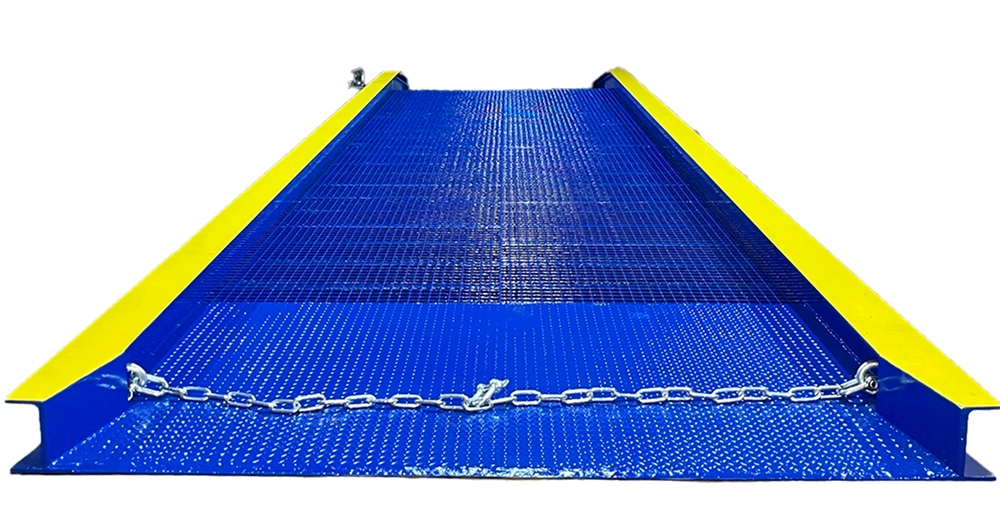
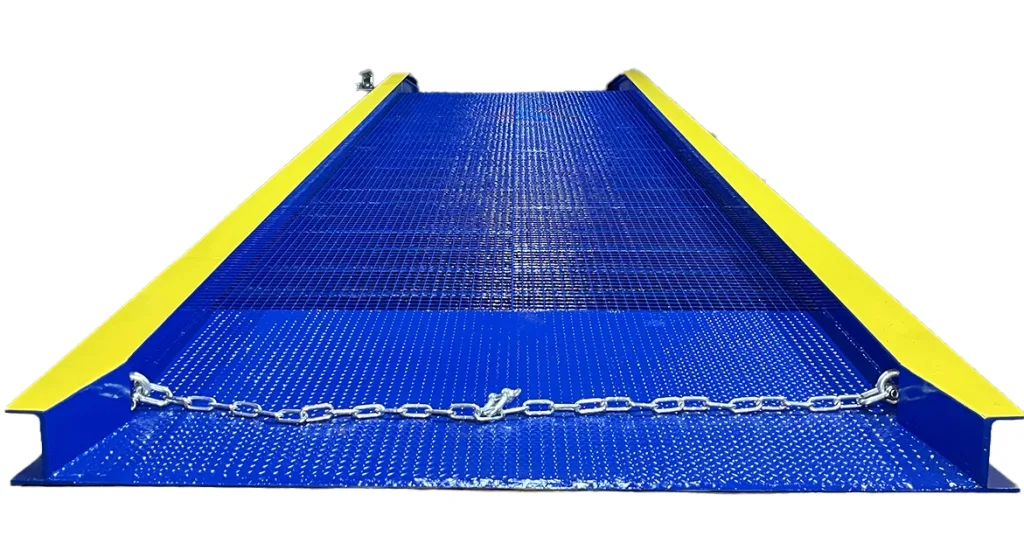
Dolever offers two main types of ramps – mechanical and hydraulic. Both options feature reinforced steel structures equipped with anti-slip ribbed surfaces, safety side rails, securing chains, and transport wheels for easy relocation.
Dolever’s Ramp Manufacturing Technologies
The quality, reliability, and durability of Dolever’s ramps are the result of implementing advanced manufacturing solutions. A number of technological innovations are used during production to ensure competitiveness and resistance to heavy-duty use:
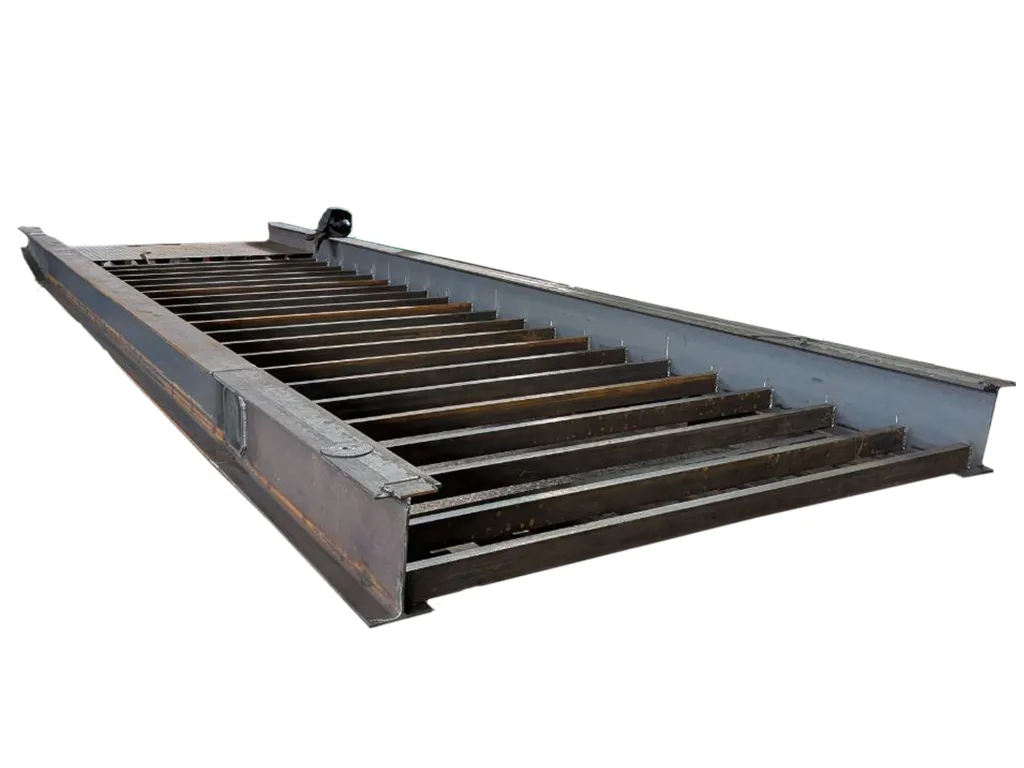
Use of I-beams instead of pipes
This provides significantly greater structural rigidity, better load distribution, and minimizes deformation during operation. I-beams allow for a lighter yet much stronger construction compared to traditional pipes.
High-strength steel profiles
Only certified materials capable of withstanding heavy loads and prolonged use are employed. All steel components undergo additional quality checks to ensure compliance with technical standards.
Anti-corrosion coating
Ramps are coated with special two-component paints with high anti-corrosion properties. This allows the equipment to be used in humid or aggressive environments.
Customization to client needs
Each ramp can be adapted to meet specific client requirements: length, width, lifting mechanism, and fastening system can be adjusted. This enables the most effective use of available space and logistics flow.
Quality control at every stage
The production process is designed to eliminate the possibility of defects. All welds undergo both visual and ultrasonic inspections, and each finished ramp is load-tested before delivery.
Conclusion
In today’s world, the mobility and reliability of equipment play a key role in the success of logistics operations. That’s why choosing the right mobile ramp is an investment in business stability. Dolever’s technological approach, commitment to quality, and use of modern solutions make our ramps a reliable choice for those seeking proven equipment. If you’re aiming to optimize your handling operations, mobile ramps should be considered a dependable tool in your business strategy.
Barrier-free access is a principle that ensures equal participation in all areas of life regardless of a person’s physical condition, age, or social status. It spans several important dimensions: physical, informational, digital, educational, economic, as well as societal and civic. Each of these areas addresses different types of barriers – from inaccessible ramps and inconvenient transport to a lack of digital skills or limited access to political representation. These components are interrelated and must be implemented systematically – through legislative reforms, education, technical solutions, and a shift in public attitudes.
This article explores why creating a truly accessible environment in Ukraine is still difficult if approached with the intention of minimizing costs. We analyze what exactly hinders the development of a barrier-free space and offer practical advice for businesses: how to choose effective equipment and avoid mistakes that may end up costing more than doing things right from the beginning.
Government Policy on Barrier-Free Access
Since 2021, Ukraine has been implementing the National Strategy for Creating a Barrier-Free Environment until 2030 – a comprehensive document that lays the groundwork for profound changes in the accessibility sphere. The initiative’s champion and ambassador is First Lady Olena Zelenska. The strategy is aimed at results-oriented implementation, emphasizing sustainable development, inclusion, and human rights. It is based on adapting international best practices from the EU, USA, Canada, UK, and Japan to the Ukrainian context.
A key focus of the strategy is physical accessibility. The document’s vision states that no physical environment should present obstacles to people – regardless of their age, gender, health, income, or place of residence. New facilities must be designed in accordance with modern accessibility standards, and existing infrastructure should be gradually adapted. This includes not only ramps but also accessible public transportation, safe pedestrian zones, inclusive administrative buildings, and public spaces.
Mandatory Standards for Developers
Ukraine has mandatory regulations that set requirements for inclusive spaces. The main document is DBN V.2.2-40:2018 “Inclusiveness of buildings and structures”. It defines how entrances, elevators, sanitary facilities, parking spots, and other infrastructure elements should be arranged to ensure access for people with disabilities, parents with strollers, the elderly, and other groups with limited mobility. These standards are mandatory for construction and reconstruction projects. They are backed by the Law of Ukraine “On the Fundamentals of Social Protection of Persons with Disabilities”, which guarantees the right to a barrier-free environment and provides for liability in cases of violation.
An important role is also played by Cabinet of Ministers Resolution No. 376 of April 26, 2023, which approves the procedure for developing accessibility measures. It requires local authorities and businesses to conduct audits, plan changes, and eliminate barriers not just technically, but systemically. Despite the existence of these regulations, implementation is often hampered by insufficient funding, a formalistic approach, or lack of proper oversight. As a result, facilities are considered “accessible” only on paper – and this is the core issue when attempts are made to save money.
Why “Cheap” ≠ “Quality”
Trying to save money on barrier-free access equipment often leads to extra costs or even danger for users. Inexpensive structures rarely pass mandatory safety and durability tests, making them prone to failure or unsuitable for use. They may have mechanical defects, weak mounting, or unstable materials – especially critical in the case of lifts, ramps, or handrails used by people with disabilities.
According to Cabinet of Ministers Resolution No. 62 of January 30, 2013, all access mechanisms must comply with the Technical Regulation on Machinery Safety, be certified, and come with quality guarantees. In addition, outdoor equipment must be resistant to corrosion, vandalism, extreme temperature fluctuations, and have special anti-slip surfaces. Ignoring these requirements poses a risk of injury and can even lead to criminal liability in the event of an accident. In the context of accessibility, “cheap” often means “unsafe.”
Real Costs: An Example Using Lifts
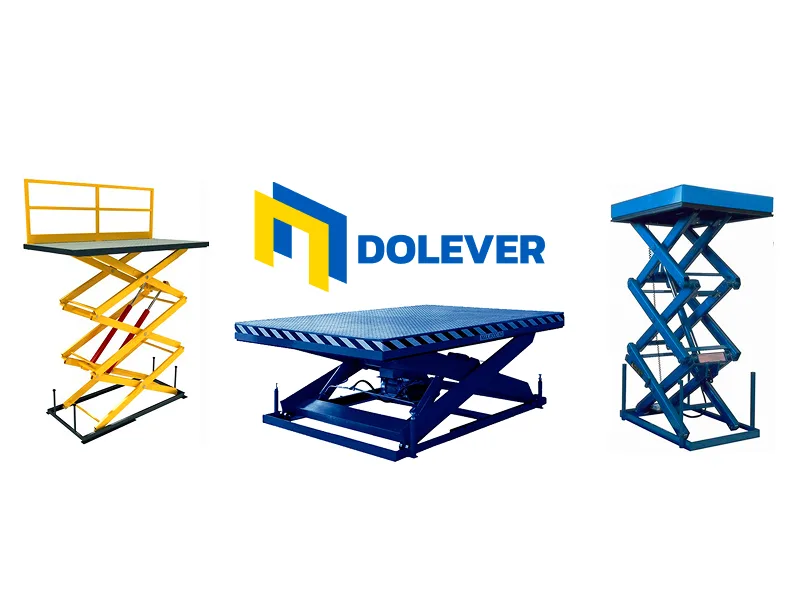
There are several types of lifts designed to perform different functions depending on architectural conditions, facility features, and user needs. The company Dolever offers three common solutions that illustrate not only their functional differences but also the justified costs associated with quality and technical standards:
Scissor Lift – designed for vertical movement of people with disabilities weighing up to 250 kg. Its key advantages are precise platform positioning and adaptability to complex architectural layouts. Its compact design is suitable for residential, public, and commercial buildings, providing safe access without requiring assistance.
Inclined (Rail) Lifts – an optimal solution for buildings with stairs where installing an elevator or ramp is not feasible. These are used in schools, hospitals, malls, or apartment complexes. They allow wheelchair users to move independently along staircases with control and smoothness.
Vertical Lifts – commonly installed at entrances to administrative, educational, or medical institutions. These lifts allow safe overcoming of height differences between levels, particularly when autonomy and compliance with modern accessibility norms are required.
Examples of Violations and Fake Inclusion
A formalistic approach to barrier-free design often results in the imitation of inclusive environments. For example, instead of a functional lift, a decorative one is installed that either doesn’t work or is deliberately blocked. Another common issue is ramps with dangerous slopes – sometimes up to 45° – with no handrails or anti-slip coatings. These structures are not just inconvenient – they pose real threats to life and health. When there is no oversight or accountability, businesses or developers report “compliance,” but in practice, people with disabilities remain excluded.
A Quality Inclusive Environment Is an Investment in the Future
Accessibility is a component of modern infrastructure that must be based on legal requirements, technical standards, and the involvement of professionals. A superficial approach or saving on quality leads to ineffective solutions that don’t actually solve accessibility problems but only imitate inclusion.
If you’re looking for a reliable solution to create an accessible environment, Dolever offers certified lifts that meet all safety requirements, technical standards, and inclusivity regulations. We can help you implement your project with quality, tailored to architectural features and the real needs of users.
A rapidly changing business landscape calls for flexible, efficient, and safe solutions in material handling. One such solution is the dock leveler – a key component of any loading bay. This equipment compensates for the height difference between the warehouse floor and the truck bed, creating a stable bridge for handling equipment. As a result, loading and unloading operations are faster, safer, and less prone to damage.
Types of Dock Levelers
Dolever offers two main types of dock levelers: models with a hinged lip and models with a telescopic lip. Hinged (swing-lip) platforms are a classic solution for facilities with standard logistics operations. Their simple design and high reliability make them ideal for applications where speed and processing cycles are critical.
On the other hand, telescopic lip models are designed for operations that require precision positioning. The extendable lip allows accurate alignment with the vehicle bed, which is especially important when working with containers, irregular vehicle bodies, or fragile cargo. These platforms ensure tight contact, minimizing the risk of slipping and improving operational safety.
In addition to structural features, the drive type is also important. Dolever provides both mechanical mini dock levelers – simple and economical solutions – and hydraulic models that offer smooth operation, process automation, and a high degree of safety.
Installation Features
Installing a dock leveler requires thorough preparation. In most cases, the platform is built into a preconstructed pit. It is essential to provide protection for the hydraulic station and control unit. For this, a front safety beam is integrated into the structure to prevent mechanical damage. When the warehouse layout does not allow for interior installation, dock houses are recommended. These external structures enable the equipment to be mounted outside the building. To maintain climate control and seal the dock opening, dock shelters can be installed. You can purchase dock houses directly from the Dolever website under the category “Dock Houses and Warehouse Safety Systems.”
All Dolever models come equipped with an anti-slip platform surface, hydraulic cylinders, a control unit, and a lip that automatically adjusts to the truck bed height. Upon activation, the platform lifts, the lip extends or swings into place, and then lowers to the set level. After the loading cycle is complete, the system automatically returns to its resting position without operator input.
Applications
Thanks to their structural flexibility and high reliability, Dolever dock levelers are widely used in:
Warehouses: to speed up loading and unloading operations
Logistics centers: for efficient flow management
Industrial facilities: for safe handling of materials and goods
Transfer stations: to accommodate various vehicle types
How to Choose the Right Model
Selecting the appropriate type of dock leveler requires a comprehensive assessment of your handling operations. For warehouses working primarily with standard truck types, a swing-lip model will be sufficient. For facilities where precision is key – such as those servicing containers or vehicles with non-standard bed geometry – a telescopic lip is the better choice.
Other factors to consider include loading frequency, platform dimensions, pit depth, and the type of handling equipment used. You should also determine whether the installation will be internal or external, as this affects the suitability of dock houses or dock shelters.
Price and Delivery
The cost of a dock leveler depends on several parameters: platform size, lip type, load capacity, and any additional options – such as LED lighting, remote control panels, or extra safety systems. For non-standard projects, custom configuration is available.
You can place an order for loading dock equipment directly on the Dolever website. The standard warranty period is 24 months, with an option to extend it to 60 months under a service maintenance contract.
Dolever – Your Smart Choice
Dolever is a trusted partner in the field of warehouse logistics, offering advanced equipment tailored to the real-world needs of modern businesses. Choosing Dolever means investing not just in a dock leveler, but in a complete solution that reduces operating costs, saves time, and enhances safety across every logistics cycle.
In modern business, the automation of logistics processes is no longer a trend — it’s a necessity. Companies aiming to optimize workflows, reduce manual labor, and ensure reliable goods turnover increasingly rely on freight lifting equipment. But how do you choose the right lift for your warehouse? In this article, Dolever experts outline the key parameters and technical factors to consider.
Dolever Freight Lift Solutions
Dolever provides integrated lifting solutions for warehouses, logistics hubs, and manufacturing facilities. All equipment complies with modern reliability and safety standards:
Mast lifts: Feature telescopic masts, anti-slip platforms, and full safety systems. Ideal for vertical transport in tight spaces. Shaft-type models allow for pit installation at floor level.
Scissor lifts: Built with hydraulic cylinders and electric motors, these lifts use an X-shaped structure for high stability. Best suited for pallets, containers, and oversized items.
Freight elevators: Come with vandal-resistant features, safety locks, and customizable drive systems. Adaptable to various building layouts and capacity demands.
Technical Parameters: What to Consider When Selecting Equipment
When selecting a lift, it is important to consider a number of technical characteristics of cargo lifting equipment that directly affect operational efficiency.
First of all, the load capacity of the lift must be defined, which should correspond to the maximum loads on the platform. The lifting height is set depending on the configuration of the facility and logistical requirements. Equally important are the lifting speed and duty cycle, as they affect overall productivity. The choice between stationary or mobile mounting type depends on the format of activity. A comprehensive analysis of these characteristics will help select the optimal model.
Drive Type
One of the key parameters to pay attention to when it comes to choosing cargo lifting equipment is the drive type (hydraulic / electromechanical). Hydraulic lifts, including pallet lifts, are characterized by high load capacity and reliability, operate based on hydraulic cylinders, and are suitable for heavy-duty industrial conditions. On the other hand, electromechanical systems are often used in public buildings and commercial infrastructure, as they provide higher lifting speed and precise floor-level stopping. When selecting the drive type, it is important to consider both the nature of the loads and the intensity of operation.
Operating Conditions: How to Select Equipment for the Working Environment
When choosing an electric lift, it is worth considering not only its technical characteristics but also the conditions in which the equipment will operate. Humidity, dust, temperature, usage frequency — all of these affect equipment wear resistance. For outdoor use, models made of corrosion-resistant materials and frost-resistant hydraulic systems are selected. Indoor lifts, on the contrary, can have a lighter construction but may require adaptation to the power grid or limited space.
Reliability and Compliance with Safety Requirements: What Matters When Choosing a Lift
Safety is a critically important aspect in the operation of cargo lifting equipment. In conditions of intensive warehouse traffic, even a minor technical error can lead to serious consequences — both for personnel and for cargo. That is why Dolever implements a multi-level protection system and has all the necessary certification for lifts.
Among the key elements that enhance operational safety:
Safety rails that prevent cargo from falling off the platform;
Overload protection system that automatically blocks the mechanism if the permissible weight is exceeded;
Audible alarms — to alert personnel in emergency situations;
Rubber bumpers that reduce the risk of vehicle damage during loading;
Hydraulic system lock in case of power outage — to prevent uncontrolled descent.
Each type of lifting equipment provides its own specific solutions. Our engineers will select the appropriate configuration, taking into account the specifics of the facility, usage intensity, and operating conditions.
Clear Choice – Efficient Logistics
A correct lift selection is a combination of technical feasibility, safety, and long-term efficiency. If you are unsure about the parameters or do not know which type of freight lift is suitable for your facility, it is worth consulting specialists. The Dolever team provides full support — from initial consultation to the selection of equipment for specific technical tasks. We will help analyze the operating conditions, determine the optimal load capacity, platform dimensions, and select the model that best meets your requirements.
In modern logistics and warehouse management, the efficiency and continuity of loading and unloading processes are crucial factors for a company’s success. Optimizing these operations significantly reduces costs, increases staff productivity, and minimizes downtime. That is why mobile ramps, including our Mobile Ramps Dolever, have become an indispensable solution for companies looking to make their logistics processes faster, safer, and more convenient.
Mobile Ramps Dolever provide enhanced safety and efficiency in logistics operations. Choosing the right Mobile Ramps Dolever can streamline your workflows and significantly improve productivity.
Understanding the specifications of Mobile Ramps Dolever will help you select the perfect ramp for your specific needs and operational demands.
But how do you choose the model that best suits your needs? What parameters should you consider when selecting a Mobile Ramps Dolever? In this article, we will take a closer look at how mobile ramps work, their key advantages, and the range of Dolever products.
Mobile Ramps
Mobile ramps are specialized structures that provide a smooth transition between ground level and the cargo vehicle’s body, allowing forklifts to move easily without the need for stationary ramps. They significantly simplify loading and unloading operations, enhancing logistics efficiency and reducing additional labor costs. This equipment enables companies to operate more flexibly, quickly adapting their workspace to current needs.
Dolever mobile ramps are mobile metal structures consisting of side support profiles, a frame, an apron, an entry section, transport wheels, and a lifting mechanism. The fully welded load-bearing frame is made of transverse and longitudinal profiles, ensuring high strength and reliability during operation. The side support profiles also serve as protective barriers, enhancing safety when handling cargo. The ramp’s surface can be made of expanded metal sheets or grating, providing excellent traction for forklift wheels and preventing slippage.
Mobile Ramps Dolever are designed for efficiency and can be customized to fit the unique requirements of your logistics operations.
For easy movement within a warehouse or production site, the ramp is equipped with a transport unit featuring a screw clamp, allowing it to be secured with a forklift fork. This ensures fast and safe transportation of the structure to the required work location. At the front edge of the ramp, safety chains with carabiners are installed to secure the ramp to the vehicle’s cargo bed, preventing it from shifting during loading and unloading operations.
Thanks to their mobility and well-thought-out design, Mobile Ramps Dolever can be used both indoors and in open areas where quick and efficient cargo handling is required.
Variety of Mobile Ramp Models from Dolever
Dolever offers a wide selection of mobile ramp models, allowing each client to choose the optimal option for their needs. The product range includes various ramp types that differ in operation principles, structural features, and load capacity.
Mechanical Models:
RMM Dolever 6T Mobile Ramp – A reliable solution for warehouses with medium load requirements.
RMM Dolever 8T Mobile Ramp – A model suitable for more intensive use.
RMM Dolever 10T Mobile Ramp – An optimal option for large logistics centers.
RMM Dolever 12T Mobile Ramp – A powerful structure for handling heavy loads.
Hydraulic Models:
RMG Dolever 6T Mobile Ramp – Ideal for small and medium-sized businesses.
RMG Dolever 8T Mobile Ramp – A practical option for operations with a high volume of goods.
RMG Dolever 10T Mobile Ramp – Combines high load capacity with ease of use.
RMG Dolever 12T Mobile Ramp – Suitable for large enterprises dealing with significant product volumes.
For more details on our range of mobile ramps, visit our website via this link.
Key Differences Between Mechanical and Hydraulic Ramps
Both mechanical and hydraulic ramps serve the same purpose—facilitating convenient loading and unloading of vehicles. The primary difference lies in their height adjustment system.
Mechanical models are equipped with a screw mechanism, allowing manual height adjustment. This is a reliable solution well-suited for businesses with stable loading levels.
Hydraulic ramps use a hydraulic system with an oil station that automatically adjusts the platform to the height of the transport vehicle. This makes them more user-friendly and allows for faster adaptation to changing conditions.
Both ramp types are equally reliable and perform their function effectively. The choice between them depends solely on operational requirements and user preferences.
Technical Specifications of Dolever Mobile Ramps
Dolever ramps are manufactured in accordance with the highest quality and safety standards. Thanks to the use of durable materials and advanced technologies, they ensure stable operation even under intensive loads. Below are the main technical parameters of these ramps:
Specification
Parameter
Load capacity
6, 8, 10, 12 tons
Length
9,12 m
Number of wheels
4 pcs
Protective barrier
yes
Own weight
2200 kg, 3300 kg
Surface
Grated surface
Frame
Fully welded
Entry and apron
Textured steel sheet
Hinged connections
Heat treatment
Dolever mobile ramps are the ideal solution for businesses looking to enhance the efficiency of their logistics operations. Thanks to high-quality materials, durable construction, and ease of use, they ensure seamless and safe operation even in the most challenging conditions.
You can find detailed technical specifications of Dolever mobile ramps on our website.
Applications of Dolever Mobile Ramps
In today’s business environment, mobile ramps have become indispensable equipment that significantly simplifies loading and unloading processes. They enhance the efficiency of warehouses, logistics centers, manufacturing enterprises, and even construction sites. Thanks to their mobility and versatility, Dolever ramps help companies save time and resources by optimizing logistics operations.
Logistics and Transportation: Used in warehouses and distribution centers for fast loading and unloading of trucks, containers, and railway wagons. They provide forklifts with quick access to transport vehicles, reducing cargo handling time.
Industrial Sector: At manufacturing facilities, they help streamline logistics processes by facilitating the movement of large volumes of raw materials or finished products between production, storage, and dispatch zones.
Warehouses and Distribution Centers: The use of mobile ramps minimizes equipment and personnel downtime, ensuring a continuous flow of goods. They enable efficient product transfer between storage facilities and transport vehicles.
Construction Sites: Simplify the loading and unloading of building materials and equipment, reducing the need for additional specialized machinery. This is especially relevant for temporary sites where flexible placement of technical equipment is required.
Agro-Industrial Sector: In agriculture, they are used for loading and unloading grain, vegetables, fruits, and agricultural machinery. They provide quick access to freight transport, improving logistics processes for farms and agricultural enterprises.
Utilizing Mobile Ramps Dolever ensures that your loading and unloading processes are both safe and efficient, minimizing operational delays.
Dolever mobile ramps are an effective solution for a wide range of industries, enhancing productivity and optimizing cargo operations. Thanks to their reliability, mobility, and ease of use, they help businesses operate faster, safer, and more efficiently.
Guide: How to Choose the Optimal Ramp for Your Business
With Mobile Ramps Dolever, you can achieve a seamless flow of goods and improve your overall logistics capabilities.
Choosing a mobile ramp is a crucial decision that directly impacts the efficiency of loading and unloading operations. To purchase equipment that best suits your needs, it is essential to consider several key factors. These include cargo characteristics, operating conditions, usage intensity, and the infrastructure specifics of your enterprise. In this guide, we will outline the key steps to help you make the right choice.
Step-by-Step Guide
Analyze the Type of Cargo, Operating Conditions, and Usage Intensity
Before selecting a ramp, it is essential to determine what types of cargo will pass through it. Cargo may vary in weight, dimensions, and packaging type. Additionally, evaluating the operating conditions is crucial—will the ramp be used outdoors or indoors? What weather factors might affect its performance? It is also important to consider the frequency of use; if the ramp will be in constant operation, a model with increased wear resistance should be chosen.
Consultation with Dolever Specialists
To avoid mistakes in the selection process, it is advisable to consult with experts. Dolever specialists will help you choose the model that best meets your requirements, taking into account the specifics of your business, budget, and operating conditions. A consultation will help you find the optimal solution and provide confidence in your choice.
Placing an Order
Once you have selected the appropriate ramp model, you can proceed with the order placement. Dolever offers a fast and convenient purchasing process with delivery and installation options. Additionally, the company provides a warranty and post-warranty service, ensuring the ramp’s durability and long-term performance.
Learn more about how to place an order via this link.
Why Choose Us
Reliability and Quality
Dolever specializes in manufacturing high-quality logistics equipment, adhering to the strictest quality and safety standards. The use of durable, wear-resistant materials combined with innovative technologies ensures the longevity of mobile ramps, making them resistant to intensive use even in challenging conditions. Each stage of production is closely monitored by a team of experienced specialists, guaranteeing compliance with international standards. As a result, clients receive reliable equipment that operates smoothly for many years without frequent repairs or component replacements.
Customized Solutions
Understanding that every business has unique needs, we offer not just standard products but fully customized solutions tailored to your company’s specific requirements. Before manufacturing a ramp, our specialists conduct a thorough analysis of the client’s requests, considering cargo parameters, warehouse space specifications, and operating conditions. This approach allows us to create equipment that not only meets current business demands but also enhances logistics efficiency. In addition to standard models, we offer mobile ramps with extra features such as increased load capacity, special high-traction coatings, or integrated height adjustment systems to accommodate various types of transport vehicles.
Service and Maintenance
To ensure uninterrupted operation of mobile ramps throughout their service life, it is crucial to perform timely technical inspections and keep all components in proper working condition. Dolever provides a comprehensive service package that includes a wide range of maintenance solutions to ensure equipment reliability:
Diagnostics and Inspection of Key Components – Our technical specialists conduct a detailed assessment of the ramp’s condition, evaluating its performance and identifying potential issues before they lead to failures.
Prompt Repairs – If defects or wear in structural elements are detected, we quickly resolve the problem, minimizing downtime for your business.
Replacement of Consumables and Hydraulic System Fluids – Timely replacement of technical fluids and worn-out parts helps extend the ramp’s lifespan and prevent potential malfunctions.
Regular Preventive Inspections – Periodic equipment checks ensure that it remains in excellent working condition, helping to avoid costly repairs in the future.
Thanks to a comprehensive approach to maintenance, Dolever equipment retains its operational characteristics and ensures the smooth operation of your business.
Warranty
We are confident in the high quality of our mobile ramps, which is why we provide an official warranty on all our products. The standard warranty period is 24 months, but with a service agreement, it can be extended up to 60 months. This reflects the reliability of our equipment and reinforces the trust our clients place in us.In case of any warranty-related issues, the Dolever team responds promptly, eliminating malfunctions and ensuring the seamless operation of your equipment. By choosing us, you receive not only high-quality products but also the assurance of their stable performance for many years.
Environmental Responsibility
At Dolever, we strive not only to create reliable equipment but also to implement eco-friendly standards in our manufacturing and logistics processes. By utilizing energy-efficient technologies and modern management systems, our mobile ramps help optimize warehouse operations while reducing resource consumption.Automated solutions help minimize fuel and electricity costs, reducing operational expenses and environmental impact. Additionally, Dolever supports the concept of sustainable logistics, offering clients not only functional but also environmentally responsible equipment. Our mobile ramps optimize cargo handling processes, reducing unnecessary trips and equipment downtime. This enables businesses to increase efficiency while contributing to environmental conservation.
By choosing Dolever, you gain modern logistics solutions that combine high quality, durability, and responsible resource management. We design equipment that helps businesses operate faster, safer, and more sustainably.
Place Your Order Today!
Ready to make your loading and unloading operations more efficient? Contact Dolever today! Our specialists will help you choose the best equipment to meet all your needs. Get a free consultation or detailed information about our products on the Dolever website.
Dolever – Your Trusted Partner in Logistics Solutions!
Efficient warehouse operations are a key factor in the success of modern businesses. In this article, we will explore how Dolever’s equipment helps optimize workflows, simplifying loading and unloading operations while ensuring high productivity. Today, the logistics industry faces challenges such as global trade expansion, increasing demands for faster deliveries, and the implementation of new technologies. Automation and digitalization have become essential tools for reducing costs and improving efficiency. In this context, choosing high-quality equipment is a strategic decision: by investing in powerful machinery, you secure the long-term efficiency of your business.
A Wide Range of Equipment from Dolever
Dolever offers an extensive selection of logistics equipment designed to meet the needs of any business. Regardless of your industry’s specifics, you will find the optimal solution—from mobile ramps to scissor lifts. Every piece of our equipment is designed with modern safety, durability, and productivity standards in mind. Our goal is to help you make warehouse operations as efficient, convenient, and safe as possible.
Why Is Material Handling Equipment Important?
Material handling equipment is a crucial component of modern logistics, enabling businesses to streamline loading and unloading operations while boosting overall efficiency. Dolever provides a broad range of such equipment, including dock levelers, mobile ramps, loading platforms, truck unloaders, tilters, and mechanical bridges.
Types of Material Handling Equipment
Dock Levelers: These compensate for height differences between transport vehicles and warehouse docks, making loading and unloading faster and safer.
Mobile Ramps: Essential for organizing loading and unloading processes, their mobility allows them to be used in various areas of an enterprise.
Loading Platforms: Provide convenient access to cargo in containers or truck bodies, simplifying the handling of heavy goods.
Truck Unloaders: Designed for quick unloading of bulk materials such as grain, gravel, or sand.
Tilters: Assist in handling large cylindrical loads, such as paper rolls, wire coils, and drums.
Mechanical Bridges: Used to quickly transfer goods between platforms and transport vehicles, compensating for height differences.
Find out more about Dolever’s material handling equipment at this link. Key Benefits of Material Handling Equipment
Process Optimization: Dolever’s equipment significantly reduces equipment downtime and increases the productivity of warehouses and enterprises.
Speed and Safety: Thoughtfully designed structures ensure smooth, safe, and efficient cargo movement.
Versatility: Dolever’s equipment is suitable for various industries, including retail, manufacturing, agribusiness, construction, and logistics.
Applications of Material Handling Equipment
Warehouses and Logistics Centers: Mobile ramps and dock levelers facilitate quick cargo transfers between platforms and transport vehicles, minimizing downtime.
Manufacturing Enterprises: Loading platforms simplify the transportation of raw materials, finished products, and equipment between production zones.
Retail: Mobile ramps and mechanical bridges enable fast loading of goods into storage or retail spaces.
Construction Sites: Loading platforms and tilters assist in transporting heavy construction materials and machinery.
What Is Lifting Equipment?
Dolever’s lifting equipment consists of modern mechanisms designed to handle cargo movement efficiently. By incorporating innovative technologies and high-quality materials, this equipment ensures speed, safety, and ease of operation.
Types of Lifting Equipment
Dolever offers a wide range of lifting solutions tailored to different business needs:
Scissor Lifts: Ideal for warehouses and manufacturing facilities where cargo needs to be transported between different levels. Their stable design ensures smooth and even lifting.
Mast Lifts: Designed for high-altitude work, making them indispensable for multi-level warehouse storage systems. They ensure precise movement and personnel safety.
Cantilever Lifts: Versatile devices suitable for transporting large and heavy loads. Widely used in manufacturing plants and construction sites.
Freight Elevators: An efficient solution for logistics centers, shopping malls, and large warehouses, allowing quick movement of goods between floors while reducing strain on workers.
You can explore the full range of lifting equipment here.
Warehouse Challenges Solved by Lifting Equipment
Dolever’s lifting mechanisms help businesses eliminate common warehouse inefficiencies:
Limited Space: Many warehouses struggle with cargo storage capacity. Lifting equipment enables efficient vertical space utilization.
Difficult Access to Goods: Modern lifting solutions allow operators to easily reach even hard-to-access cargo, reducing search and transportation time.
Operational Delays: Automated lifting systems speed up cargo handling operations, minimizing downtime and improving productivity.
High Labor Costs: Mechanized solutions reduce the number of workers needed for physically demanding tasks, lowering overall personnel expenses.
Who Can Benefit from Lifting Equipment?
Warehouses: For quick access to multi-level shelving, increased storage efficiency, and improved worker productivity.
Logistics Centers: For transporting large volumes of goods and minimizing processing time.
Manufacturing Enterprises: For moving raw materials, components, tools, and finished products with minimal time and resource expenditure.
Retail Complexes: For seamless and rapid movement of goods between storage areas and sales floors.
Construction Sites: For lifting heavy building materials and equipment, ensuring safe and efficient operations.
Dolever helps businesses across various industries optimize logistics processes, increase efficiency, and reduce costs. Our lifting equipment guarantees reliability, safety, and high performance in every solution.
The Role of Dock Shelters and Safety Systems
Dolever’s dock shelters and safety systems are designed to make loading and unloading processes safer, more energy-efficient, and more convenient.
The Role of Dock Shelters
Dock shelters are a key component of efficient logistics, creating a protected space between the warehouse and the transport vehicle. They provide:
Protection from External Conditions: High-quality insulation shields goods from dust, moisture, precipitation, and extreme temperatures, ensuring that products remain in optimal condition regardless of weather conditions. This is particularly crucial for climate-sensitive goods such as food and pharmaceuticals.
Energy Efficiency: The airtight construction of dock shelters minimizes heat loss in winter and cool air loss in summer, significantly reducing heating and cooling costs. As a result, they contribute to energy savings and enhance overall logistics efficiency.
Versatility: Dolever’s dock shelters are designed to work with all types of transport vehicles, including trucks with varying cargo bed heights and even non-standard vehicle designs. Their well-thought-out structure allows them to adapt to complex docking angles, ensuring ease of use and safety during loading and unloading operations.
Technical Features of Dolever Dock Shelters:
Load capacity of up to 6,000 kg, allowing for the handling of large and heavy cargo.
Operating temperature range from -35°C to +55°C, ensuring reliable performance in any climate.
High airtightness, preventing energy loss while providing an additional barrier against dust, moisture, and external odors.
The Role of Safety Systems
Loading and unloading operations involve significant risks, so Dolever offers comprehensive solutions to minimize accidents and enhance worker safety:
Accident Prevention: Specialized dock seals, wheel guides, and damping systems help prevent damage to vehicles, docks, and cargo. This is especially crucial in high-traffic warehouses with intensive goods movement.
Worker Protection: Anti-slip surfaces, clear warning markings, and modern emergency locking systems create a safe working environment, reducing injury risks and improving operational efficiency.
Equipment Durability: Additional protective elements such as rubber bumpers and shock absorbers prevent mechanical damage and extend the lifespan of loading equipment.
Dolever Safety Equipment:
Dock Seals: Provide a reliable barrier against dust, moisture, and drafts while reducing energy losses.
Wheel Guides: Assist vehicles in precise docking, minimizing the risk of collisions.
Rubber Bumpers: Protect loading docks, transport vehicles, and other equipment from impacts and damage.
Applications of Dock Shelters and Safety Systems
Warehouses and Logistics Centers: Ensuring efficient cargo handling in any conditions.
Manufacturing Enterprises: Keeping raw materials and tools in proper condition.
Construction Sites: Protecting building materials and equipment from environmental exposure.
Dolever’s safety systems and dock shelters combine reliability, energy efficiency, and convenience, helping businesses optimize costs, enhance productivity, and ensure personnel safety.
Find out more about Dolever’s dock shelters and safety systems here.
Sustainability and Energy Efficiency
At Dolever, we not only implement eco-friendly standards in manufacturing but also integrate them into the operation of logistics complexes. By utilizing intelligent management systems and energy-efficient technologies, our equipment helps reduce resource consumption and optimize warehouse operations. Automated solutions minimize downtime, reduce fuel and electricity costs, and lower environmental emissions. This way, Dolever supports the development of sustainable logistics, offering clients solutions that are both efficient and environmentally responsible.
Customized Solutions by Dolever
Every business has unique requirements, and Dolever takes this into account when processing orders. We understand that the efficiency of your enterprise largely depends on selecting the right equipment. That’s why we focus on every detail, carefully analyzing your needs to provide the optimal solution.
Our specialists begin by thoroughly studying your workflow, cargo types, operating conditions, and available budget. This approach enables us to recommend equipment that perfectly meets your requirements. Whether you operate a high-turnover warehouse, a construction site, or a logistics center, Dolever is ready to offer a tailored solution.
Even after installation, we continue to support our clients. We provide regular technical maintenance services to ensure long-term efficiency. In case of any questions or unforeseen situations, our team is always available to assist you.
Dolever’s customized approach is more than just selling equipment—it’s a long-term partnership built on trust, professionalism, and a shared commitment to achieving the best results for your business.
Warranty and Maintenance Services
We are confident in the quality of our products, which is why we offer a 24-month warranty on every unit. Clients who sign a 4-year service contract receive an extended 5-year warranty. This approach ensures the stable performance of our equipment, even under intensive operating conditions.
We understand that even the best equipment requires technical support, which is why we offer a comprehensive service program that includes regular inspections, component testing, hydraulic oil replacement, and prompt repairs when needed.
What’s Included in Our Maintenance Service?
On-site visits by our specialists for equipment inspection.
Comprehensive testing of all mechanical components.
Repairs and troubleshooting.
Hydraulic oil replacement to ensure smooth operation.
Why Choose Dolever’s Service?
No need to rely on third-party specialists.
Professional maintenance directly from the manufacturer.
Comprehensive diagnostics and repairs using original parts.
Extended warranty up to 5 years, minimizing risks and costs.
By choosing Dolever, you gain not just high-quality equipment but also full support at every stage—from product selection to ongoing maintenance. We ensure that your business operates smoothly and efficiently.
Why Choose Dolever?
Dolever equipment is designed to meet modern requirements for productivity, safety, and durability. Manufactured from high-quality materials, it offers:
Reliable mechanisms that ensure a long service life.
Anti-slip surfaces and emergency locking systems for enhanced safety.
A warranty of up to 60 months, guaranteeing the highest product quality.
Dolever equipment is an investment that helps optimize your business, boost productivity, and reduce costs.
Order Dolever Equipment for Your Business Today! Our specialists are ready to help you choose the best solution to improve the efficiency of your warehouse or enterprise.
 +38 (050) 777 03 93