+38 (050) 777 03 93

Barrier-Free Environment in Ukraine: Why Quality and Cheap Don’t Go Together
Written
Barrier-free access is a principle that ensures equal participation in all areas of life regardless of a person’s physical condition, age, or social status. It spans several important dimensions: physical, informational, digital, educational, economic, as well as societal and civic. Each of these areas addresses different types of barriers – from inaccessible ramps and inconvenient transport to a lack of digital skills or limited access to political representation. These components are interrelated and must be implemented systematically – through legislative reforms, education, technical solutions, and a shift in public attitudes.
This article explores why creating a truly accessible environment in Ukraine is still difficult if approached with the intention of minimizing costs. We analyze what exactly hinders the development of a barrier-free space and offer practical advice for businesses: how to choose effective equipment and avoid mistakes that may end up costing more than doing things right from the beginning.
Government Policy on Barrier-Free Access
Since 2021, Ukraine has been implementing the National Strategy for Creating a Barrier-Free Environment until 2030 – a comprehensive document that lays the groundwork for profound changes in the accessibility sphere. The initiative’s champion and ambassador is First Lady Olena Zelenska. The strategy is aimed at results-oriented implementation, emphasizing sustainable development, inclusion, and human rights. It is based on adapting international best practices from the EU, USA, Canada, UK, and Japan to the Ukrainian context.
A key focus of the strategy is physical accessibility. The document's vision states that no physical environment should present obstacles to people – regardless of their age, gender, health, income, or place of residence. New facilities must be designed in accordance with modern accessibility standards, and existing infrastructure should be gradually adapted. This includes not only ramps but also accessible public transportation, safe pedestrian zones, inclusive administrative buildings, and public spaces.
Mandatory Standards for Developers
Ukraine has mandatory regulations that set requirements for inclusive spaces. The main document is DBN V.2.2-40:2018 "Inclusiveness of buildings and structures". It defines how entrances, elevators, sanitary facilities, parking spots, and other infrastructure elements should be arranged to ensure access for people with disabilities, parents with strollers, the elderly, and other groups with limited mobility. These standards are mandatory for construction and reconstruction projects. They are backed by the Law of Ukraine “On the Fundamentals of Social Protection of Persons with Disabilities”, which guarantees the right to a barrier-free environment and provides for liability in cases of violation.
An important role is also played by Cabinet of Ministers Resolution No. 376 of April 26, 2023, which approves the procedure for developing accessibility measures. It requires local authorities and businesses to conduct audits, plan changes, and eliminate barriers not just technically, but systemically. Despite the existence of these regulations, implementation is often hampered by insufficient funding, a formalistic approach, or lack of proper oversight. As a result, facilities are considered “accessible” only on paper – and this is the core issue when attempts are made to save money.
Why “Cheap” ≠ “Quality”
Trying to save money on barrier-free access equipment often leads to extra costs or even danger for users. Inexpensive structures rarely pass mandatory safety and durability tests, making them prone to failure or unsuitable for use. They may have mechanical defects, weak mounting, or unstable materials – especially critical in the case of lifts, ramps, or handrails used by people with disabilities.
According to Cabinet of Ministers Resolution No. 62 of January 30, 2013, all access mechanisms must comply with the Technical Regulation on Machinery Safety, be certified, and come with quality guarantees. In addition, outdoor equipment must be resistant to corrosion, vandalism, extreme temperature fluctuations, and have special anti-slip surfaces. Ignoring these requirements poses a risk of injury and can even lead to criminal liability in the event of an accident. In the context of accessibility, “cheap” often means “unsafe.”
Real Costs: An Example Using Lifts
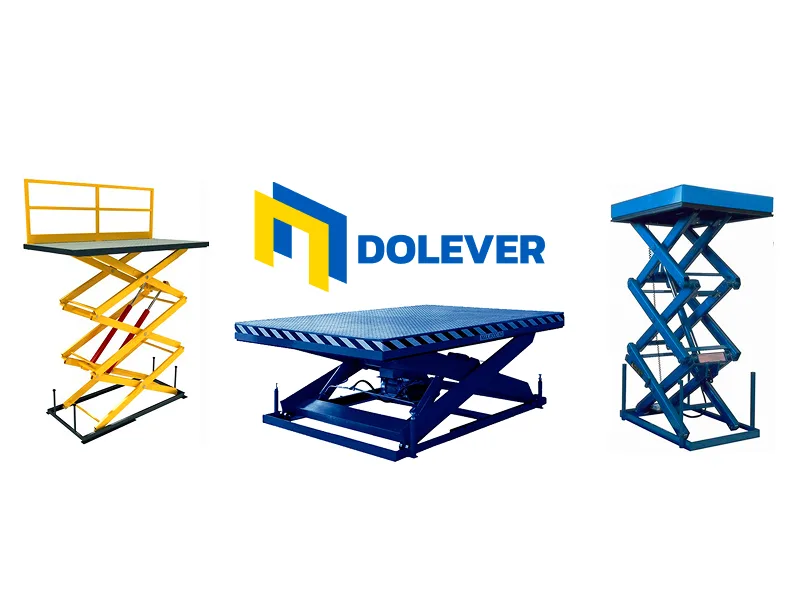
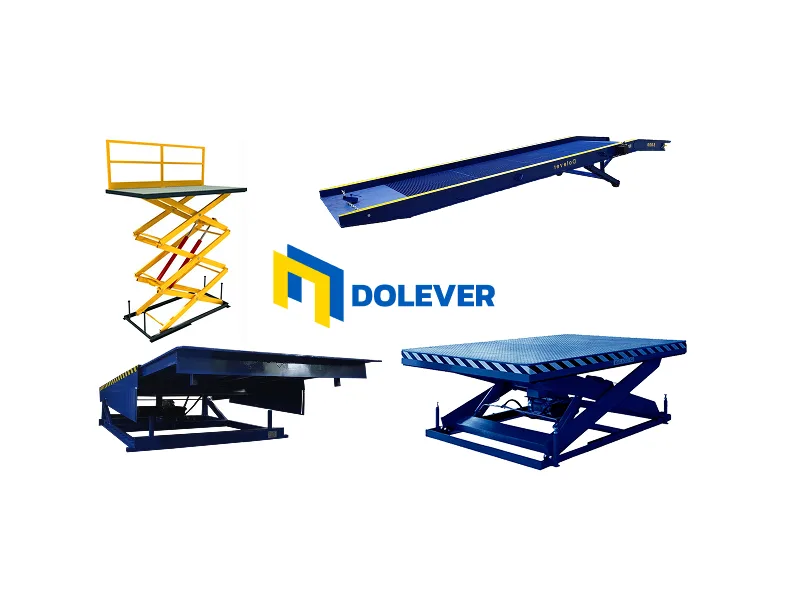
There are several types of lifts designed to perform different functions depending on architectural conditions, facility features, and user needs. The company Dolever offers three common solutions that illustrate not only their functional differences but also the justified costs associated with quality and technical standards:
- Scissor Lift – designed for vertical movement of people with disabilities weighing up to 250 kg. Its key advantages are precise platform positioning and adaptability to complex architectural layouts. Its compact design is suitable for residential, public, and commercial buildings, providing safe access without requiring assistance.
- Inclined (Rail) Lifts – an optimal solution for buildings with stairs where installing an elevator or ramp is not feasible. These are used in schools, hospitals, malls, or apartment complexes. They allow wheelchair users to move independently along staircases with control and smoothness.
- Vertical Lifts – commonly installed at entrances to administrative, educational, or medical institutions. These lifts allow safe overcoming of height differences between levels, particularly when autonomy and compliance with modern accessibility norms are required.
Examples of Violations and Fake Inclusion
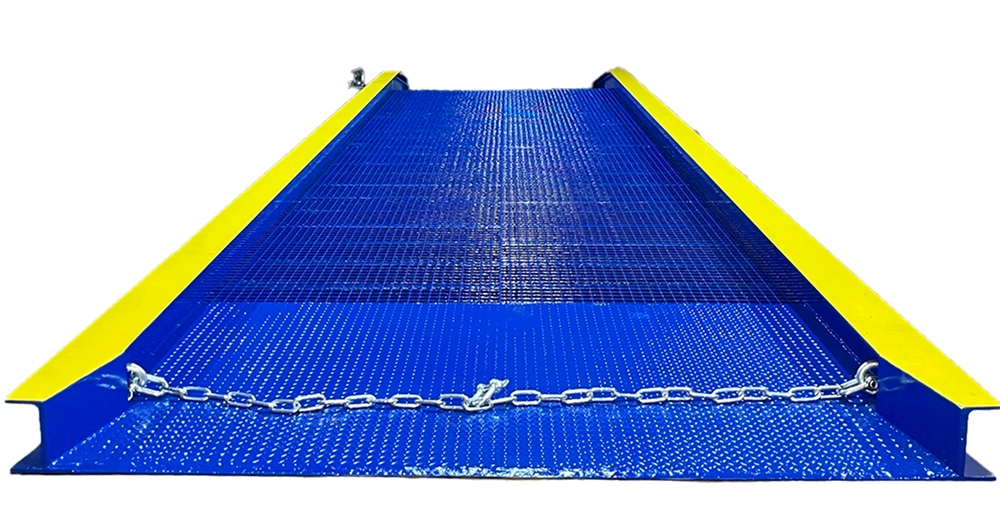
A formalistic approach to barrier-free design often results in the imitation of inclusive environments. For example, instead of a functional lift, a decorative one is installed that either doesn’t work or is deliberately blocked. Another common issue is ramps with dangerous slopes – sometimes up to 45° – with no handrails or anti-slip coatings. These structures are not just inconvenient – they pose real threats to life and health. When there is no oversight or accountability, businesses or developers report “compliance,” but in practice, people with disabilities remain excluded.
A Quality Inclusive Environment Is an Investment in the Future
Accessibility is a component of modern infrastructure that must be based on legal requirements, technical standards, and the involvement of professionals. A superficial approach or saving on quality leads to ineffective solutions that don’t actually solve accessibility problems but only imitate inclusion.
If you're looking for a reliable solution to create an accessible environment, Dolever offers certified lifts that meet all safety requirements, technical standards, and inclusivity regulations. We can help you implement your project with quality, tailored to architectural features and the real needs of users.