 +38 (050) 777 03 93

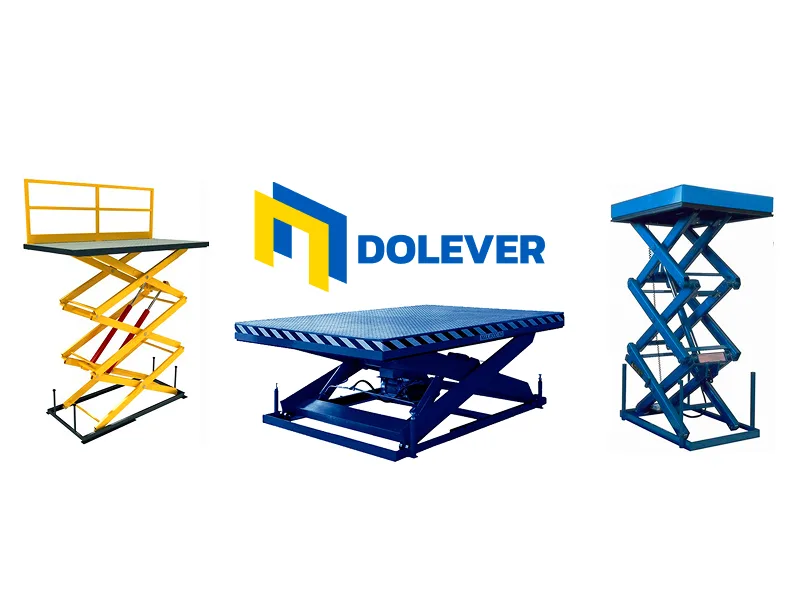
In modern business, the automation of logistics processes is no longer a trend — it’s a necessity. Companies aiming to optimize workflows, reduce manual labor, and ensure reliable goods turnover increasingly rely on freight lifting equipment. But how do you choose the right lift for your warehouse? In this article, Dolever experts outline the key parameters and technical factors to consider.
Dolever Freight Lift Solutions
Dolever provides integrated lifting solutions for warehouses, logistics hubs, and manufacturing facilities. All equipment complies with modern reliability and safety standards:
- Mast lifts: Feature telescopic masts, anti-slip platforms, and full safety systems. Ideal for vertical transport in tight spaces. Shaft-type models allow for pit installation at floor level.
- Scissor lifts: Built with hydraulic cylinders and electric motors, these lifts use an X-shaped structure for high stability. Best suited for pallets, containers, and oversized items.
- Freight elevators: Come with vandal-resistant features, safety locks, and customizable drive systems. Adaptable to various building layouts and capacity demands.
Technical Parameters: What to Consider When Selecting Equipment
When selecting a lift, it is important to consider a number of technical characteristics of cargo lifting equipment that directly affect operational efficiency.
First of all, the load capacity of the lift must be defined, which should correspond to the maximum loads on the platform. The lifting height is set depending on the configuration of the facility and logistical requirements. Equally important are the lifting speed and duty cycle, as they affect overall productivity. The choice between stationary or mobile mounting type depends on the format of activity. A comprehensive analysis of these characteristics will help select the optimal model.
Drive Type
One of the key parameters to pay attention to when it comes to choosing cargo lifting equipment is the drive type (hydraulic / electromechanical). Hydraulic lifts, including pallet lifts, are characterized by high load capacity and reliability, operate based on hydraulic cylinders, and are suitable for heavy-duty industrial conditions. On the other hand, electromechanical systems are often used in public buildings and commercial infrastructure, as they provide higher lifting speed and precise floor-level stopping. When selecting the drive type, it is important to consider both the nature of the loads and the intensity of operation.
Operating Conditions: How to Select Equipment for the Working Environment
When choosing an electric lift, it is worth considering not only its technical characteristics but also the conditions in which the equipment will operate. Humidity, dust, temperature, usage frequency — all of these affect equipment wear resistance. For outdoor use, models made of corrosion-resistant materials and frost-resistant hydraulic systems are selected. Indoor lifts, on the contrary, can have a lighter construction but may require adaptation to the power grid or limited space.
Reliability and Compliance with Safety Requirements: What Matters When Choosing a Lift
Safety is a critically important aspect in the operation of cargo lifting equipment. In conditions of intensive warehouse traffic, even a minor technical error can lead to serious consequences — both for personnel and for cargo. That is why Dolever implements a multi-level protection system and has all the necessary certification for lifts.
Among the key elements that enhance operational safety:
- Safety rails that prevent cargo from falling off the platform;
- Overload protection system that automatically blocks the mechanism if the permissible weight is exceeded;
- Audible alarms — to alert personnel in emergency situations;
- Rubber bumpers that reduce the risk of vehicle damage during loading;
- Hydraulic system lock in case of power outage — to prevent uncontrolled descent.
Each type of lifting equipment provides its own specific solutions. Our engineers will select the appropriate configuration, taking into account the specifics of the facility, usage intensity, and operating conditions.
Clear Choice – Efficient Logistics
A correct lift selection is a combination of technical feasibility, safety, and long-term efficiency. If you are unsure about the parameters or do not know which type of freight lift is suitable for your facility, it is worth consulting specialists. The Dolever team provides full support — from initial consultation to the selection of equipment for specific technical tasks. We will help analyze the operating conditions, determine the optimal load capacity, platform dimensions, and select the model that best meets your requirements.