 +38 (050) 777 03 93
Mechanical Bridges
Dolever mechanical bridges are versatile and reliable equipment designed to optimize the processes of loading and unloading goods. They ensure quick, safe, and efficient movement of goods between vehicles and platforms at warehouses, manufacturing plants, or logistics centers. Thanks to their design, durable materials, and reliable control mechanisms, these bridges can handle tasks of any complexity, compensating for height differences and minimizing risks during operation.
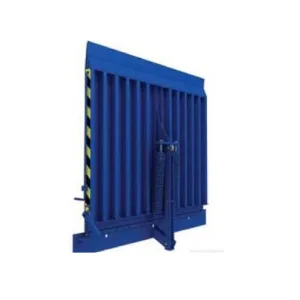
Stationary Foldable Ramp 2000×1000 mm Dolever
from 48700 ₴
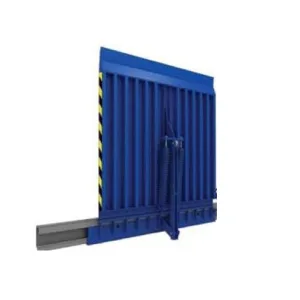
Sliding Foldable Ramp 2000×1000 mm Dolever
from 59400 ₴
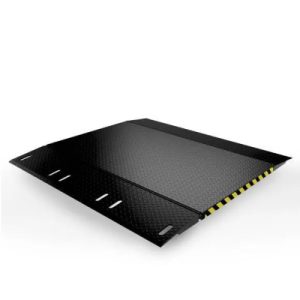
Portable Ramp
from 39000 ₴
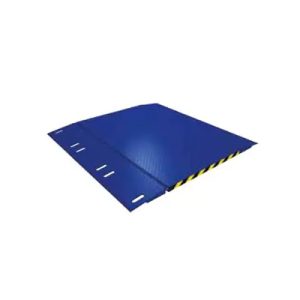
Portable Ramp for Containers
from 48000 ₴
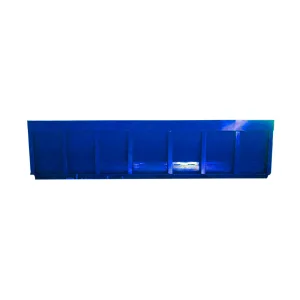
Folding Mechanical Ramp 2200×500 mm
from 28500 ₴
Models and Features of Dolever Mechanical Bridges
Dolever offers a wide range of mechanical bridges that are indispensable for various business applications:
Fixed Tilt Bridge 2000×1000 mm
- Load capacity: Up to 6 tons — suitable for handling heavy loads of various types.
- Platform length: 2000 mm — optimal for most standard vehicles.
- Platform width: 1000 mm — ideal for working with goods of different sizes.
- Material: High-quality steel for a long service life.
- Operation: Simple mechanical drive for reliable and safe usage.
Sliding Tilt Bridge 2000×1000 mm
- Load capacity: Up to 6 tons — enables the handling of oversized goods.
- Platform length: 2000 mm — a universal size for trucks.
- Platform width: 1000 mm — comfortable for processing various types of goods.
- Material: Reinforced steel for stable operation even under intensive use.
- Operation: Sliding mechanism for easy adjustment and movement.
Portable Bridge 2000×2000 mm
- Load capacity: Up to 6 tons — ideal for heavy loads.
- Platform length: 2000 mm — suitable for most standard transport platforms.
- Platform width: 2000 mm — allows safe handling of oversized loads.
- Material: High-strength steel capable of withstanding mechanical stress.
- Operation: Mobile design for easy transportation and versatile use.
Portable Bridge for Containers (Rail Cars)
- Load capacity: Up to 6 tons — perfect for moving heavy and oversized cargo.
- Platform length: 2000 mm — perfectly matches standard container dimensions.
- Platform width: 2000 mm — ensures comfortable and safe operation.
- Material: High-quality steel for extended service life.
- Operation: Mobile mechanism for convenient use in different locations.
Foldable Mechanical Ramp 2200×500 mm
- Load capacity: Up to 4 tons — ideal for handling various types of goods.
- Length: 5000 mm — sufficient for working with all types of vehicles.
- Width: 2200 mm — guarantees easy access to goods.
- Coating: RAL 3000 enamel — wear resistance and corrosion protection.
- Color: Bright blue for visibility and compliance with safety standards.
Applications of Dolever Mechanical Bridges
Dolever mechanical bridges are used across various industries, optimizing transportation processes:
- Warehouses: Quick and safe transfer of goods between platforms and vehicles.
- Logistics centers: Reducing time spent on loading and unloading operations.
- Manufacturing plants: Seamless delivery of materials between production zones.
- Construction sites: Efficient movement of building materials and equipment.
Why Choose Dolever Mechanical Bridges?
- Durability: High-quality materials ensure resistance to intensive loads.
- Ease of use: Simple mechanisms guarantee quick setup and operation.
- Safety: Reliable guards and locking systems minimize the risk of damage during work.
- Longevity: Designed for extended service life thanks to wear-resistant materials.
- Mobility: Portable design allows adaptation to any conditions.
Order Dolever Mechanical Bridges Today!
Don’t delay enhancing your business efficiency. Dolever mechanical bridges offer reliability, safety, and convenience in a single solution. Contact us now for a consultation and to choose the best model for your needs!
FAQ
The main difference lies in the control method and level of automation. A mechanical dock leveler is deployed manually but features a reinforced checkered steel platform that withstands forklifts and pallet trucks. A hydraulic leveler works faster and more conveniently but requires additional maintenance and consumes energy. In short, mechanical versions are more reliable in terms of simplicity, while hydraulic ones excel in speed and comfort.
The length of a dock leveler depends on the height difference between the warehouse platform and the truck bed: the larger the gap, the longer the leveler should be. Load capacity depends on the type of equipment in use – 2-3 tons is enough for hand pallet trucks, while four-wheel forklifts require models rated for 6 tons or more. All Dolever mechanical dock levelers are made of steel with a checkered surface, ensuring stability even under intensive use.
For warehouses where unloading is infrequent, portable or stationary mechanical dock levelers are the best choice. They require no power supply and take up minimal space, yet provide a reliable connection between warehouse and truck. For example, a 2000×2000 mm portable leveler can be quickly moved between gates, making it a cost-effective option for businesses with seasonal or limited cargo flow.
Yes, adaptability to various types of transport is one of the key advantages of mechanical dock levelers. During operation, the platform simply rests on the truck bed, automatically adjusting to its height. This allows seamless loading and unloading for anything from light commercial vehicles to full-sized trailers and container platforms.
Mechanical dock levelers operate without electricity, making them as simple and reliable as possible. All operations are performed manually using special levers, with no energy consumption. This is a major advantage for warehouses where power supply is limited or additional equipment cannot be installed.